What this investigation is
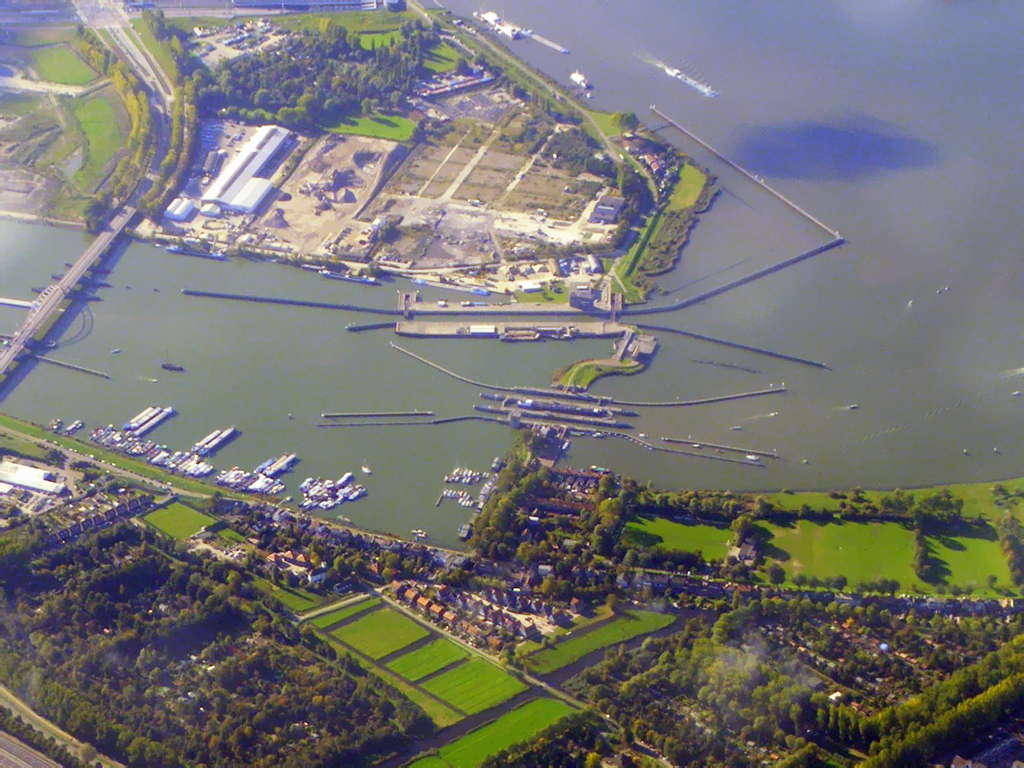
Oranjesluizen is not one lock with one job. Rijkswaterstaat describes a complex that passes vessels while helping manage the Noordzeekanaal water level and limiting salt movement toward the IJsselmeer. Fish passages add another route through the barrier.
What the sources establish
- Rijkswaterstaat says the lock complex has formed the boundary between the IJ and Buiten-IJ since 1870.
- The complex includes three navigation locks and the larger Prins Willem-Alexandersluis.
- It contributes to management of the Noordzeekanaal water level.
- The complex limits salt transfer toward the IJsselmeer.
- Rijkswaterstaat identifies three fish passages at the complex.
- The agency reports an average of approximately 120,000 vessel passages per year.
- The Prins Willem-Alexandersluis is more than 200 metres long and 24 metres wide.
What to notice
- Different routes through the complex serve vessels, water management and fish rather than one universal passage.
- Look at the spatial difference between the older lock group and the larger Prins Willem-Alexandersluis.
- Treat annual traffic and operational descriptions as Rijkswaterstaat’s published figures, not live telemetry.
Evidence limits
This page does not publish operational instructions, live lock status or current waiting times. Annual vessel figures are approximate and may change. The displayed aerial photograph is a public-domain contextual view; it shows the complex, not every internal mechanism or fish passage.
Sources
- 1
- 2